The Babydoll Journey
Explore our journey through the years.
The History Of Babydoll Sheep
Overseas
The history of the Babydoll sheep begins with the Southdown breed, which originated in the South Downs of Sussex County, England. The breed was developed for hardiness and high-quality meat production. In the late 1700s, English farmer and breeder John Ellman played a significant role in standardising the Southdown, refining it from a taller, leaner type into a more compact, well-muscled sheep suited to mutton production and fine fleece quality.
Southdowns were exported to the United States in the early 1800s, where they gained considerable popularity. Over time, the breed followed a similar trajectory to that in England, with a gradual increase in frame size to meet changing agricultural and market demands.
The breed declined significantly during the mid-20th century and was considered at risk following World War II. In 1986, American breeder Robert Mock initiated a search for surviving genetics of the earlier Southdown type. His work identified a number of remaining animals, many of which still carried original Southdown pedigree documentation.
To distinguish these smaller-framed animals from the modern Southdown, they were identified as Olde English Babydoll Southdowns, and a dedicated breed registry was established.
Australia
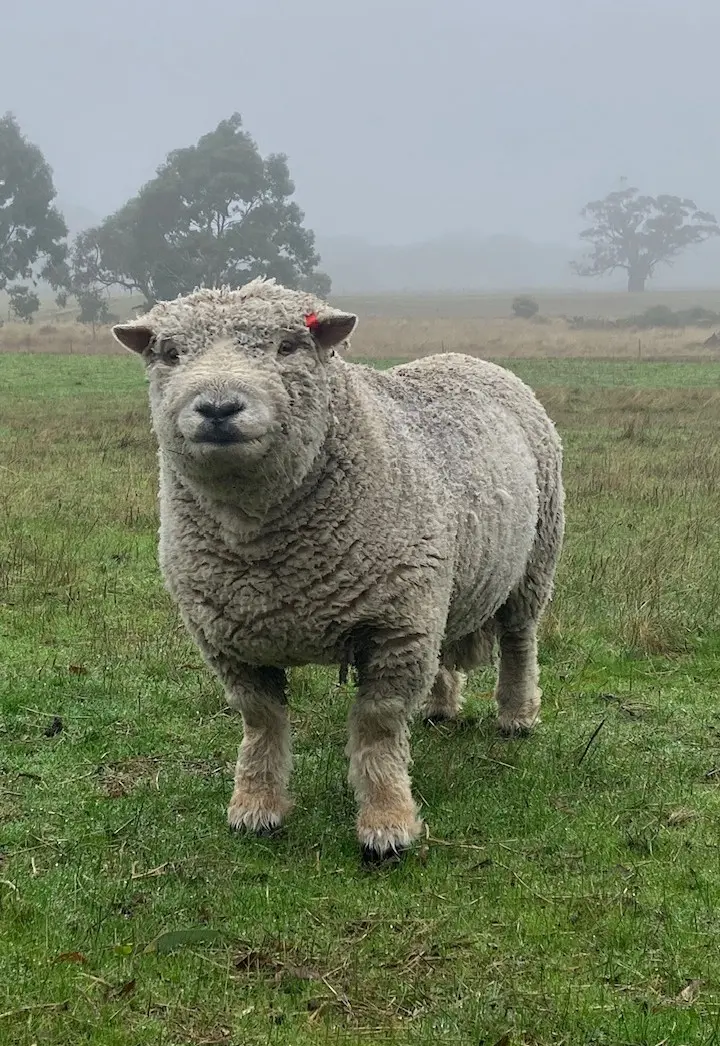
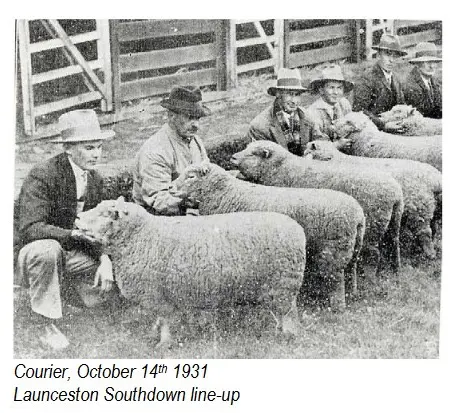
Southdowns were the first British sheep breed introduced into Australia in the late 1700s, imported by Samuel Marsden, a pioneer of the Australian wool industry. During the 1920s and 1930s, Australian Southdowns were bred to have wool-covered faces, shorter legs, and well-muscled bodies. Babydoll sheep, as we know them in Australia today, are reminiscent of these smaller Southdowns from the 1920s to the 1960s.
The 1960s saw breeders increase the size of modern Southdowns to meet market demands. Fortunately, a few breeders continued to maintain the smaller-sized Southdowns. We owe the resurgence of these wonderful little sheep to their dedication, most notably Dick and Bill Metcalf, who bred award-winning Southdowns at their Hillgrove Stud, established in the early 1920s. The stud was later passed to their niece, who preserved the original type. Most Babydolls today can trace their lineage back to the Metcalfs’ Hillgrove flock. The Hillgrove Stud still exists today.
today.
A handful of dedicated breeders continued to maintain these smaller, stockier Southdowns. As differences between the early Southdowns (of the 1920s–60s) and today’s modern Southdowns became more pronounced, the need for a separate breed registry became clear. In 2017, a committee was formed comprising members of the Australian Stud Sheep Breeders Association (ASSBA) who held ASSBA-registered Southdown flocks. Under the name Olde English Babydoll Southdown Sheep Association of Australia Inc. (OEBSSAA), the committee began working with ASSBA to establish a separate listing for Babydolls.
After much effort and compromise, the submission to ASSBA was successful, and in May 2020 a separate listing was granted, establishing the Babydoll as a new breed within its own dedicated registry. Following negotiations, the committee was renamed the Babydoll Sheep Association of Australia Inc. (BSAA), and it was agreed that the breed would be referred to simply as Babydoll sheep.