Caring For Your Babydolls
Sheep Hints
These hints are intended as general guidance only and are not a substitute for your own research or professional advice. Please refer to your State’s Animal Welfare Code, and remember that as a livestock owner, you are responsible for the welfare of your sheep.
Handling
Set up a small, secure yard or pen for catching and handling your sheep. It will also make routine tasks, such as veterinary visits, much easier. Even a couple of sheep panels fastened together can provide a suitable handling area.
Never handle sheep by their wool. Pulling on the fleece is painful and can cause bruising.
There are many excellent instructional videos on YouTube demonstrating correct sheep handling techniques, and your veterinarian can also provide practical guidance.
It's also a good idea to handle your sheep occasionally for no particular reason. This helps them become accustomed to being caught and handled when nothing unpleasant is happening, making future handling less stressful for both you and your sheep.
Rams
Many small flock owners keep just one ram, which means he will need to be separated from the ewes at times. However, rams still need companionship and should not be kept on their own. Sheep are flock animals, and a ram kept in isolation may become stressed and can also develop undesirable behaviours, including aggression.
If you're considering keeping a ram, seek advice from someone with practical experience before deciding whether it's the right choice for you
Shearing
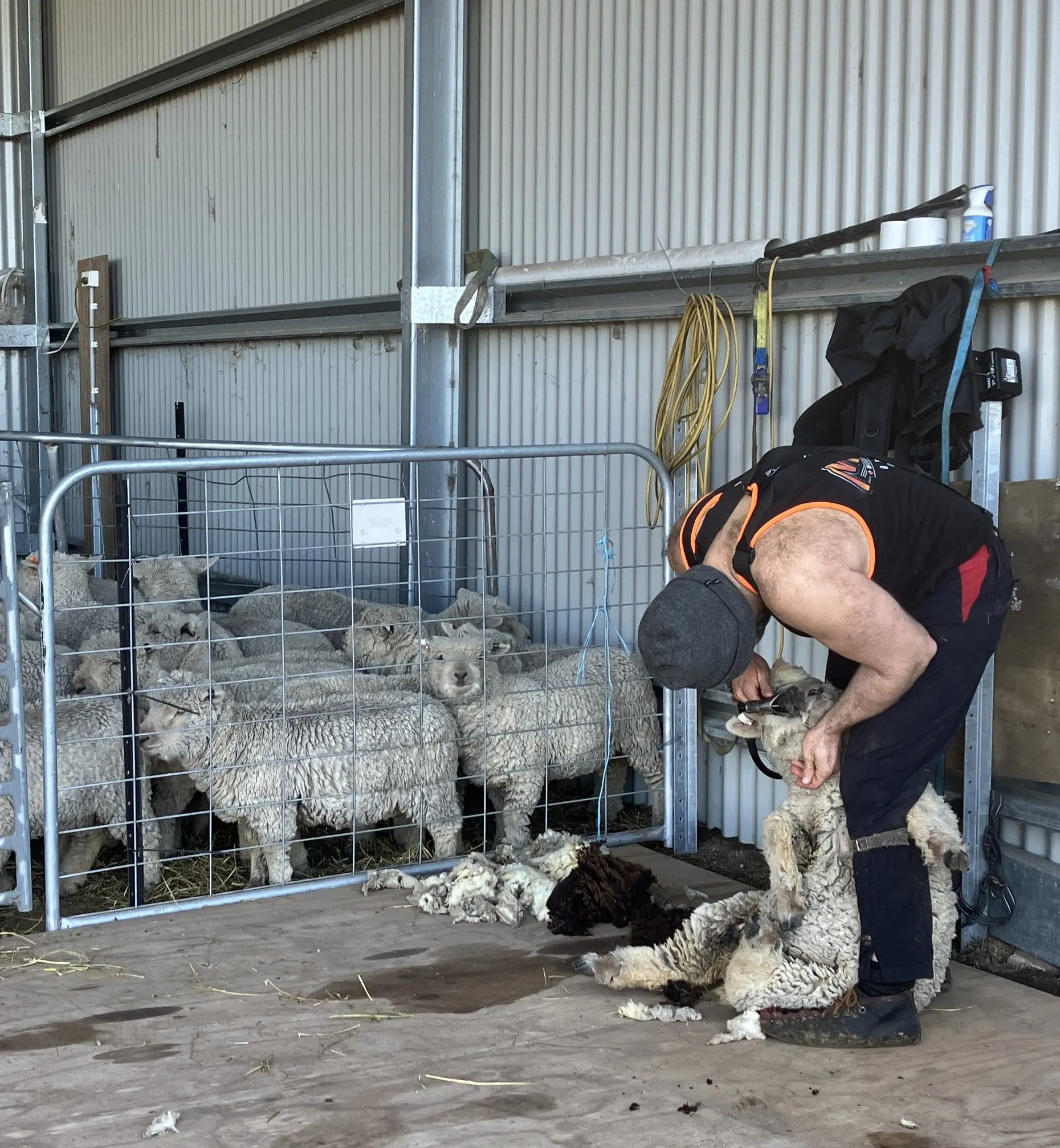
Babydoll sheep must be shorn, usually once a year. Allowing the fleece to become excessively long is an animal welfare issue and may be an offence under your State's animal welfare legislation.
The fleece must not exceed twice the average annual growth for the breed or 250 mm in length, whichever is shorter.
.
Sheep Are Flock Animals
People sometimes ask about buying just one sheep — the answer is no. Sheep are highly social animals, and isolation causes significant stress and can lead to behavioural and physiological issues.
A minimum of two sheep is essential, with three or more being preferable, and a small flock being ideal. Sheep should not be kept or left on their own, as separation from others can cause panic and anxiety.
Sheep Think
Sheep are far more intelligent than many people realise. They respond well to food calls, can learn their names, and may even be clicker trained. They are capable of problem-solving and can recognise familiar faces, both human and ovine, for extended periods.
Sheep remember their experiences, so handling matters. Gentle, consistent interaction helps build trust, while negative experiences are also remembered. The calmer and more predictable you are with them, the more relaxed and cooperative they are likely to be.
Vaccinations
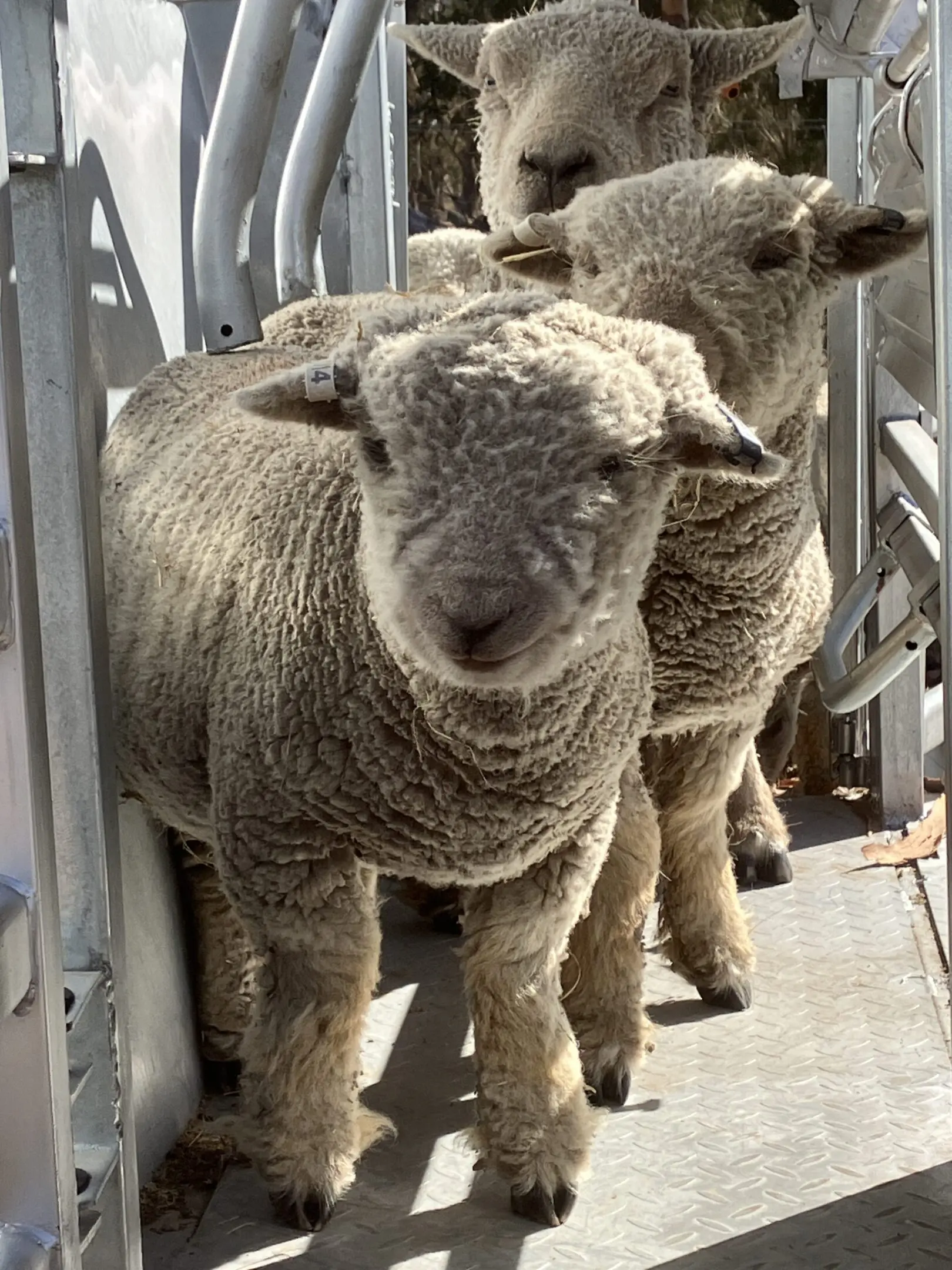
Lambs: Require two vaccinations for clostridial diseases — an initial dose followed by a booster 4–6 weeks later.
Adults: Sheep vaccinated as lambs require an annual booster. Adult sheep with no vaccination history should receive two vaccinations 4–6 weeks apart, followed by yearly boosters.
All Gumbuya sheep are also vaccinated with Gudair, which provides protection against OJD with a single dose. Gudair stimulates the sheep’s immune system; while it does not prevent infection in every case, it reduces OJD-related deaths by around 90% and significantly lowers the spread of Johne’s disease within the flock.
Drenching
Worming and drenching requirements vary by region. Your vet can design a drenching program tailored to your property and local conditions.
Miscellaneous Treatments
There are a number of conditions that may affect your sheep, such as lice or scaby mouth. Your Vet is the best person to know what your flock may need.
Ear Tags
By law, any sheep leaving a property must be ear tagged with the correct NLIS tag for that year. Tags vary in colour to denote the year of birth.
- Pink post-breeder tags are used only for sheep not bred on your property or for animals that have lost their original tag.
- Sheep movements must be recorded to your PIC via the NLIS website.
Hooves
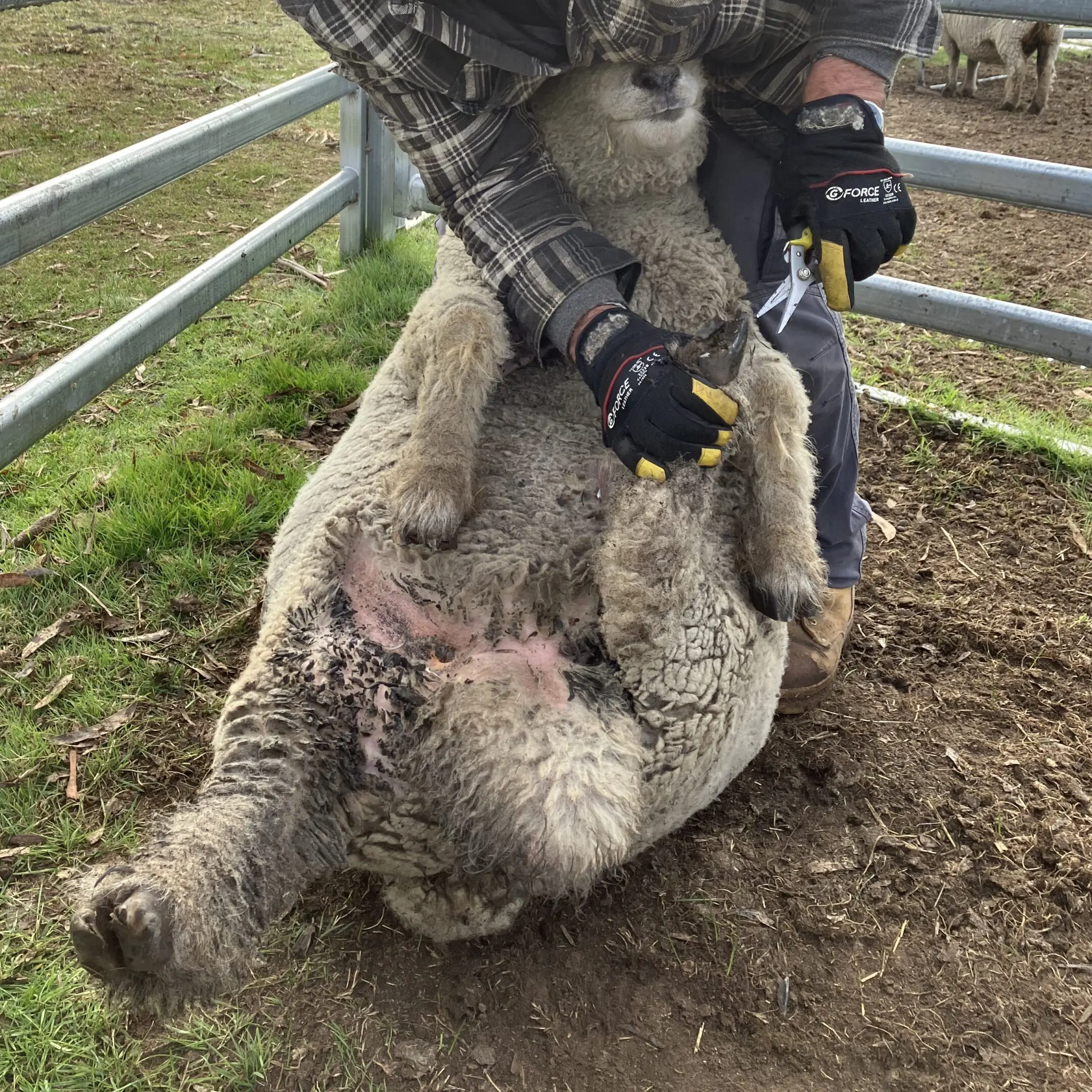
Hooves need regular checking and trimming. Overgrown hooves can become painful, affect mobility, and increase the risk of infection.
How often trimming is needed depends on ground conditions, so regular inspection is important. There are many helpful YouTube tutorials available, and even if you normally use a professional, it’s useful to know how to carry out minor maintenance yourself.
Footrot
Footrot can be a serious and contagious disease in sheep. It is important to learn how to recognise and manage it early.
More information: Agriculture Victoria – Footrot in Sheep.
Snotty Noses
Sheep can occasionally develop a runny nose, which is usually mild and self-resolving. However, if the discharge persists or is accompanied by fever, infection may be present.
Keep an animal thermometer on hand to check temperatures, and contact your vet if you are concerned.
Scouring
Diarrhoea (scouring) can occur due to feed changes, worms, or illness. In some cases, a drench may resolve the issue, but ongoing or severe scouring requires veterinary advice.
The Vet
Developing a good relationship with a farm animal vet is invaluable. Your vet is a key resource for accurate advice, vaccination schedules, and general herd health management.
Feeding
Babydolls are prone to weight gain, so good quality grass hay and paddock grazing are usually sufficient for them to thrive.
Avoid overuse of pellets and high-energy feeds. Pellets are useful as treats and for moving sheep — the sound of a bucket will often bring them running from anywhere.
Lucerne is excellent for pregnant or nursing ewes, as well as weaning lambs. Lambs can be offered a small handful of pellets every second day, ideally mixed with chaff to avoid overconsumption.
.
Feeding Grain
If feeding grain, research carefully, too much can cause bloat and may be fatal.
Keep all feed securely stored and out of reach to control intake.
Never feed chook food or feeds intended for other animals, as some products can be toxic to sheep.
Sheep must have access to clean water at all times.
Mineral blocks are a convenient, low-waste way to provide mineral and/or protein supplementation and can be purchased from most feed stores or rural suppliers. Speak with your supplier to ensure you are using the correct product for your sheep’s needs. Note that copper can be toxic to sheep.
Facebook & Online Advice
Social media can be a useful source of information, and misinformation. Always rely on trusted sources and verify advice before acting on it.
A Word of Warning
Babydoll sheep are prone to becoming “cast” (stuck on their backs, like a turtle), particularly if overweight. This occurs when they roll too far onto their backs and are unable to right themselves.
A cast sheep can die within 24 hours if not turned upright, due to gas buildup in the rumen.
If you ever find a sheep on its back, act immediately — turn it onto its feet, and you may save its life.
Gaucher Disease
Gaucher disease is a genetic condition and is not contagious. It has been identified in humans and in some animals, including Southdown and Babydoll sheep. In Australian sheep, it was officially recognised in Southdowns in 2010.
Because Southdowns are one of the oldest sheep breeds and form part of the genetic foundation of many modern breeds, including Babydolls, it is not possible to know exactly when the mutation first appeared or how widely it may exist. All Babydolls carry Southdown genetics.
How it affects lambs
Affected lambs are usually:
- Unable to stand at birth
- Have abnormal or leathery skin
- Unable to survive, typically passing away shortly after birth due to low body temperature and low blood sugar
Inheritance
Gaucher disease is inherited as an autosomal recessive trait:
- Sheep with two copies of the gene are affected
- Sheep with one copy are carriers and appear completely healthy
- Sheep with no copies are free of the gene
If both parents are carriers, each lamb has:
- 25% chance of being affected
- 50% chance of being a carrier
- 25% chance of being free of the gene
Sheep described as “Gaucher free by pedigree” come from tested parentage and are not expected to carry the gene.
Why awareness matters
Because carriers show no visible signs, Gaucher disease can persist in a flock unnoticed. If two carriers are bred together, affected lambs may result. Understanding the condition helps breeders make informed decisions and supports improved flock health over time.
Testing
A simple DNA test is available through Lincoln University (New Zealand) to identify carrier animals.
Breeders who choose not to test will not know the Gaucher status of their flock.
Is testing worthwhile?
Yes. Testing supports:
- Healthier lambs
- Informed breeding decisions
- A gradual reduction of the disease in breeding populations
When purchasing sheep, it is reasonable to ask about Gaucher status and to support breeders working with tested stock.
Gumbuya Babydoll Sheep Stud is a Gaucher-free flock.